Home of the Trumbull, CT EFCA Bible Quiz Team.

The Trumbull Bible Quiz Team has ended. Thank you for 30 years of happy Bible Quizzing.
Showing posts with label preparations. Show all posts

Tuesday, August 07, 2012

GETTING READY: When was the Gospel of Matthew written?


The timing of the writing of this gospel is important, because it tells us exactly how close to the life of Jesus the facts were put to paper. There are some who argue the gospels were written a hundred years or more after Christ - claiming they must be inaccurate. But what about Matthew?

Some have argued on the basis of its Jewish characteristics that Matthew's Gospel was written in the early church period, possibly the early part of a.d. 50, when the church was largely Jewish and the gospel was preached to Jews only (Ac 11:19). However, those who have concluded that both Matthew and Luke drew extensively from Mark's Gospel date it later -- after the Gospel of Mark had been in circulation for a period of time. Others, who assume that Mark was written between 65 and 70, place Matthew in the 70s.
The Jewish nature of Matthew's Gospel may suggest that it was written in the Holy Land, though many think it may have originated in Syrian Antioch.

Tuesday, July 31, 2012

GETTING READY: Outline of the Gospel of Matthew

One highly effective way to learn a new book, is to create an outline showing its structure. This allows you to view the book at a high level, and understand how it is put together. The outline of the gospel of Matthew could be a powerful study tool for you, as you prepare to quiz on this amazing book!

I. The Incarnation and Preparation of the King (1:1–4:11)67
  • A. The Incarnation of the King (1:1–2:23)
    • 1. The Genealogy of the King (1:1-17)
      2. The Birth of the King (1:18-25)
      • a. The Betrothal to the Virgin (1:18-19)
        b. The Angelic Visit to Joseph (1:20-21)
        c. The Fulfillment of Prophecy (1:22-23)
        d. The Birth of Jesus (1:24-25)
    • 3. The Childhood of the King: Foreshadowing Events to Come (2:1-23)
      • a. The Worship of the Magi: Foreshadowing of Gentile Worship (2:1-12)
        • 1) Magi Coming to Jerusalem (2:1-5)
          2) The Fulfillment of Prophecy (2:6)
          3) Magi Worshipping the King (2:7-12)
      • b. The Escape to Egypt: Foreshadowing of Jesus’ Withdrawals (2:13-15)
        • 1) The Escape to Egypt (2:13-14)
          2) The Fulfillment of Prophecy (2:15)
      • c. The Slaughter of the Innocent Ones: Foreshadowing of Death of Christ (2:16-18)
        • 1) Herod’s Slaughter of the Babes (2:16)
          2) The Fulfillment of Prophecy (2:17-18)
      • d. The Return to Nazareth: Foreshadowing of Jewish Rejection of Jesus (2:19-23)
        • 1) The Return to Nazareth (2:19-22)
          2) The Fulfillment of Prophecy (2:23)
  • B. The Preparation of the King (3:1–4:11)
    • 1. The Preparation for the Kingdom by John the Baptist’s Preaching (3:1-12)
      2. The Inauguration of Ministry by John’s Baptism of Jesus (3:13-17)
      3. The Demonstration of Worthiness by the Devil’s Temptation of Jesus (4:1-11)
II. The Declaration of the Principles of the King (4:12–7:29)
  • A. The King’s Ministry Begun (4:12-25)
    • 1. The Occasion: John’s Imprisonment (4:12-16)
      2. The Message: The Nearness of the Kingdom (4:17)
      3. The Calling of the First Disciples (4:18-22)
      4. Summary of the King’s Ministry (4:23-25)
      • a. Proclamation (4:23a)
        b. Proof (4:23b-25)
  • B. The King’s Message Declared (5:1–7:29)
    • 1. The Setting (5:1-2)
      2. The Subjects of the Kingdom (5:3-16)
      • a. Blessings by God (5:3-12)
        b. Responsibilities before Men (5:13-16)
    • 3. The Truth about the Kingdom (5:17–7:12)
      • a. Exposition of the Intent of the Law (5:17-48)
        • 1) The Law’s Principles Affirmed (5:17-20)
          2) The Law’s Intentions Explained (5:21-48)
          • a) Regarding Hatred and Murder (5:21-26)
            b) Regarding Lust and Adultery (5:27-30)
            c) Regarding Commitment and Divorce (5:31-32)
            d) Regarding Honesty and Oaths (5:33-37)
            e) Regarding Rights and Retaliation (5:38-42)
            f) Regarding Love and Hatred (5:43-48)
      • b. Exhortation toward Internal Righteousness (6:1-18)
        • 1) Summary: External Vs. Internal Righteousness (6:1)
          2) Specifics: The Rewards of External and Internal Righteousness (6:2-18)
          • a) The Rewards for Almsgiving (6:2-4)
            b) The Rewards for Praying (6:5-15)
            c) The Rewards for Fasting (6:16-18)
      • c. Examination of the Intentions of the Heart (6:19–7:11)
        • 1) Regarding Investments (6:19-24)
          2) Regarding Worry (6:25-34)
          3) Regarding a Critical Spirit toward Believers (7:1-5)
          4) Regarding Discernment toward Unbelievers (7:6)
          5) Regarding Petitions toward God (7:7-11)
      • d. Summary on the Intent of the Law (7:12)
    • 4. The Way to Enter the Kingdom (7:13-27)
      • a. The Two Gates (7:13-14)
        b. The Two Trees (7:15-23)
        c. The Two Houses (7:24-27)
    • 5. Conclusion of the Sermon on the Mount: Response of the Multitudes (7:28-29)
III. The Commission of the Messengers of the King (8:1–11:1)
  • A. The Power of the King Demonstrated (8:1–9:34)
    • 1. Compassionate Miracles (8:1-17)
      • a. Leprosy (8:1-4)
        b. Paralysis (8:5-13)
        c. Fever and Demons (8:14-17)
    • 2. The Cost of Discipleship (8:18-22)
      3. Authoritative Miracles (8:23–9:8)
      • a. In the Realm of Nature (8:23-27)
        b. In the Realm of the Supernatural (8:28-34)
        c. In the Realm of the Spiritual (9:1-8)
    • 4. The Nature of Discipleship (9:9-17)
      • a. The Calling of Matthew (9:9-13)
        b. The Question about Fasting (9:14-17)
    • 5. Courageous Miracles (9:18-34)
      • a. Life (9:18-26)
        b. Sight (9:27-31)
        c. Speech (9:32-34)
  • B. The Proclamation of the King Delegated (9:35–11:1)
    • 1. The Compassion of Jesus (9:35-38)
      2. The Commission of the Twelve (10:1-42)
      • a. The Delegation of Authority (10:1-4)
        • 1) The Nature of the Authority (10:1)
          2) The Names of the Apostles (10:2-4)
      • b. The Directions to the Apostles (10:5-42)
        • 1) The Sphere and Nature of their Work (10:5-8)
          2) The Provisions for their Work (10:9-15)
          3) Their Perseverance in the Work (10:16-31)
          • a) In Spite of Persecution (10:16-23)
            b) In Light of the Rejection of their Master (10:24-25)
            c) In Response to God’s Sovereignty (10:26-31)
            d) In the Hope of Heavenly Acknowledgment (10:32-33)
            e) In Recognition of the Claims Jesus Makes on them (10:34-39)
        • 4) The Reward for Hospitality (10:40-42)
    • 3. Conclusion of Commission, Continuation of Ministry (11:1)
IV. The Opposition to the King (11:2–13:53)
  • A. The Antagonism of the Jews (11:2–12:50)
    • 1. Commendation of John in spite of his Doubts (11:2-19)
      • a. The Doubts by John (11:2-6)
        b. The Commendation by Jesus (11:7-15)
        c. The Capriciousness of the Multitudes (11:16-19)
    • 2. Condemnation of the Cities because of their Unbelief (11:20-24)
      3. Invitation to the Weary to Find Rest (11:25-30)
      4. Confrontation with the Pharisees in Light of their Mounting Hostility (12:1-45)
      • a. Concerning Jesus’ Authority over the Sabbath (12:1-21)
        • 1) Plucking Grain (12:1-8)
          2) Doing Good (12:9-14)
          3) Foreshadowing: Prediction of Gentile Reception (12:15-21)
      • b. Concerning Jesus’ Power over the Supernatural (12:22-37)
        c. Concerning Jesus’ Proof of Spiritual Source (12:38-45)
    • 5. Invitation to the Willing to Become God’s Children (12:46-50)
  • B. The Parables of Jesus (13:1-53)
    • 1. The Setting (13:1-2)
      2. The Responsibility of those who Hear (13:3-23)
      • a. The Parable of the Sower (13:3-9)
        b. The Purpose of the Parables (13:10-17)
        c. The Parable of the Sower Explained (13:18-23)
    • 3. The Parables of the Kingdom (13:24-50)
      • a. The Parable of the Wheat and Weeds (13:24-30)
        b. The Parable of the Mustard Seed (13:31-32)
        c. The Parable of the Leaven (13:33)
        d. Fulfillment of Prophecy (13:34-35)
        e. The Parable of the Wheat and Weeds Explained (13:36-43)
        f. The Parable of the Hidden Treasure (13:44)
        g. The Parable of the Pearl (13:45)
        h. The Parable of the Net (13:46-50)
    • 4. The Responsibility of those who Understand the Parable of the Householder (13:51-52)
      5. Conclusion to the Parables, Continuation of Ministry (13:53)
V. The Reaction of the King (13:54–19:2)
  • A. The Withdrawals from the Antagonists because of Rejection (13:54–16:20)
    • 1. The Catalyst (13:54–14:12)
      • a. Unbelief in Hometown of Nazareth (13:54-58)
        b. Beheading of John by Herod (14:1-12)
    • 2. The Withdrawals (14:13–16:20)
      • a. To a Deserted Place (14:13–15:20)
        • 1) Miracles Performed (14:13-36)
          • a) Feeding of the Five Thousand (14:13-21)
            b) Walking on the Water (14:22-33)
            c) Healings at Gennesaret (14:34-36)
        • 2) Pharisees Confronted: Clean Vs. Unclean (15:1-20)
          • a) Confrontation with the Pharisees (15:1-9)
            b) Declaration to the Crowd (15:10-11)
            c) Instruction of the Disciples (15:12-20)
      • b. To the Region of Phoenicia: The Healing of the Canaanite Woman’s Daughter (15:21-28)
        c. To the Sea of Galilee: The Feeding of the Four Thousand (15:29-38)
        d. To Magadan (15:39–16:12)
        • 1) The Withdrawal to Magadan (15:39)
          2) The Pharisees’ and Sadducees’ Demand for a Sign (16:1-4)
          3) The Pharisees’ and Sadducees’ Teaching Warned Against (16:5-12)
      • e. To Caesarea Philippi: The Revelation of Jesus’ Person (16:13-20)
  • B. The Return to Judea in spite of Rejection (16:21–19:2)
    • 1. The Catalyst: The Prediction of Jesus’ Death and Resurrection (16:21-28)
      2. The Comfort: The Transfiguration (17:1-13)
      3. The Instruction of the Disciples in Galilee (17:14–18:35)
      • a. Concerning Faith (17:14-21)
        • 1) The Healing of a Demon-Possessed Boy (17:14-18)
          2) The Challenge to the Disciples (17:19-21)
      • b. Concerning His Death and Resurrection: Second Mention (17:22-23)
        c. Concerning Tribute (17:24-27)
        d. Concerning Humility (18:1-4)
        e. Concerning Salvation (18:5-14)
        • 1) Warning against Stumbling Blocks (18:5-9)
          2) Searching for Lost Sheep (18:10-14)
      • f. Concerning Discipline (18:15-20)
        g. Concerning Forgiveness (18:21-35)
    • 4. Conclusion of Instruction, Continuation of Journey (19:1-2)
VI. The Presentation and Rejection of the King (19:3–26:1)
  • A. The Instruction of the Disciples in Judea (19:3–20:34)
    • 1. Concerning Divorce, Marriage, and the Kingdom (19:3-12)
      • a. Confrontation about Divorce (19:3-9)
        b. Celibacy and the Kingdom (19:10-12)
    • 2. Concerning Childlikeness and the Kingdom (19:13-15)
      3. Concerning Wealth and the Kingdom (19:16–20:16)
      • a. The Rich Young Man: Security in Riches (19:16-26)
        b. The Disciples: Security in Christ (19:27-30)
        c. The Parable of the Vineyard: Rewards in the Kingdom (20:1-16)
    • 4. Concerning His Death and Resurrection: Third Mention (20:17-19)
      5. Concerning Servant-Leadership and the Kingdom (20:20-34)
      • a. John’s and James’ Request (20:20-23)
        b. Jesus’ Response (20:24-28)
        c. Jesus’ Example: Healing of Two Blind Men (20:29-34)
  • B. The Presentation of the King (21:1-17)
    • 1. The Preparation for the King’s Coming (21:1-7)
      2. The Entrance into Jerusalem (21:8-11)
      3. The Entrance into the Temple (21:12-17)
  • C. The Rejection of the King by the Nation (21:18–22:46)
    • 1. The Withering Fig Tree: Foreshadowing of the Judgment of the Nation (21:18-22)
      2. Jesus’ Authority Questioned: Foreshadowing of Conflict (21:23-27)
      3. Three Parables: Stimulus for Confrontation (21:28–22:14)
      • a. The Parable of the Two Sons (21:28-32)
        b. The Parable of the Wicked Tenants (21:33-46)
        c. The Parable of the Wedding Banquet (22:1-14)
    • 4. Four Confrontations: Evidence of Rejection (22:15-46)
      • a. By the Pharisees and Herodians: Paying Taxes to Caesar (22:15-22)
        b. By the Sadducees: Marriage at the Resurrection (22:23-33)
        c. By the Pharisees: The Great Commandment (22:34-40)
        d. Against the Pharisees: Whose Son is the Christ? (22:41-46)
  • D. The Rejection of the Nation by the King (23:1-39)
    • 1. Instructions to the Crowd and Disciples concerning the Pharisees (23:1-12)
      2. Warnings to the Pharisees concerning Themselves: The Seven Woes (23:13-36)
      • a. First Woe: Shut out of the Kingdom (23:13-14)
        b. Second Woe: Swearing (23:15-22)
        c. Third Woe: Straining out a Gnat (23:23-24)
        d. Fourth Woe: Cleaning the Cup (23:25-26)
        e. Fifth Woe: Whitewashed Tombs (23:27-28)
        f. Sixth Woe: Murdering the Prophets (23:29-32)
        g. Seventh Woe: Pronouncement of Judgment (23:33-36)
    • 3. Lamentation over Jerusalem (23:37-39)
  • E. The Predictions of the King concerning the Judgment of the Nation and the Consummation of the Kingdom (24:1–26:1)
    • 1. The Setting in the Temple (24:1-2)
      2. The Discourse on the Mount of Olives (24:3–25:46)
      • a. Signs of the End of the Age (24:3-35)
        b. The Day and Hour Unknown (24:36-51)
        c. The Parable of the Ten Virgins (25:1-13)
        d. The Parable of the Talents (25:14-30)
        e. The Sheep and the Goats (25:31-46)
    • 3. The Conclusion of the Olivet Discourse (26:1)
VII. The Crucifixion and Resurrection of the King (26:2–28:20)
  • A. The Crucifixion of the King (26:2–27:66)
    • 1. The Prediction of His Death: Fourth Mention (26:2)
      2. The Plot to Kill Jesus (26:3-5)
      3. The Preparation for His Death (26:6-46)
      • a. The Anointing at Bethany (26:6-13)
        b. Judas’ Agreement to Betrayal (26:14-16)
        c. The Last Passover (26:17-30)
        d. The Prediction of Peter’s Denials (26:31-35)
        e. Gethsemane (26:36-46)
    • 4. The Arrest of Jesus (26:47-56)
      5. The Trials of Jesus (26:57–27:26)
      • a. The Trial Before the Sanhedrin (26:57-67)
        b. Two Disciples’ Responses (26:68–27:10)
        • 1) Peter Denies Jesus (26:68-75)
          2) Judas Hangs Himself (27:1-10)
      • c. The Trial Before Pilate (27:11-26)
    • 6. The Crucifixion of Jesus (27:27-56)
      • a. The Mocking of the Soldiers (27:27-31)
        b. The Actual Crucifixion of Jesus (27:32-44)
        c. The Death of Jesus (27:45-56)
    • 7. The Burial of Jesus (27:57-66)
      • a. Joseph’s Tomb (27:57-61)
        b. Pilate’s Guard (27:62-66)
  • B. The Resurrection of the King (28:1-20)
    • 1. The Empty Tomb (28:1-10)
      2. The Guards’ Report (28:11-15)
      3. The Great Commission (28:16-20)

Tuesday, July 24, 2012

GETTING READY: Why was the gospel of Matthew written?

Every book has an intended audience - textbooks are written for students, manuals for users, and novels for bored people looking to escape daily life. So, who was the gospel of Matthew written for? And what does it tell us about this "Good News" that Matthew is talking about?
Matthew's gospel is clearly written for a Jewish Christian audience living within the immediate proximity of the homeland itself. Matthew's is the most Jewish of all the gospels. The community for which Matthew was written was a Jewish Christian community that was encountering some new tensions in the period of reconstruction after the first revolt. It would appear that they've been there for quite some time. They actually show a consciousness of an older legacy of Jesus' tradition, going back to before the war. But now they're experiencing new tensions and new problems in the aftermath of the revolt as a political and social reconstruction is taking place.

Tuesday, July 17, 2012

GETTING READY: Who wrote the gospel of Matthew?

If you want to understand any written document, it is wise to start by learning a little something about it's author. A person writing about events they were close to, is much more likely to be speaking accurately about what actually happened. Matthew - the author of the Gospel of Matthew - was an apostle who walked with Jesus throughout his early ministry. This is a man who saw most of what he was writing about, first-hand!
Since the times of the early church fathers, the apostle Matthew has always been accredited with the authorship of the first gospel (canonically). Even the title “According to Matthew” is found in the earliest manuscripts, and was the most highly regarded and quoted of the gospels by the church fathers. Matthew is also called Levi (Mark 2:14; Luke 5:27), and was the son of Alphaeus (Luke 5:27). He was a tax collector, probably stationed on a main trade route near Capernaum where he would have collected tolls for Herod Antipas from commercial traffic. Additionally, being a tax collector might better qualify Matthew for his role as an official recorder of the life and actions of Christ. After the resurrection there is no other mention of him in the New Testament.

Thursday, April 19, 2012

WEEK 32: Prepare for Districts!

Well, this it is! We had our last practice of the year, and Districts is coming up on Saturday. It is your last chance to buckle down and cram on Hebrews, 1 Peter, & 2 Peter. A few things to remember:
  • We leave the parking lot at 6:30 AM on Saturday. Please arrive earlier so we can leave promptly. (Sleeping on the bus is allowed.)
  • Districts will be on all of the material from this year.
  • Wear your Quiz Team Shirt on Saturday. (If you don't have one, wear something blue!)
  • No shorts are allowed on the pads! Even if it is warm, you must be in long pants to quiz.
  • It looks like we will be back at the church about 7 PM. You will be allowed to call your parents from the road, to let them know a more exact time.
  • If something comes up last minute, please do not contact Coach Jim. He's out of pocket for the rest of the week and the weekend. The other coaches are available. (If you discover you can not attend, please e-mail us.)
See on Saturday by 6:30 AM!

Saturday, July 31, 2010

2010-2011 Season: Bible Quizzing Rules

As you prepare for the next year, you may wish to brush up on the "official" Bible Quizzing rules. These are actually the rules for 2008-2009, but not too much has changed. And as soon as we have the newest version of the rules, we will get them out to you. The general scope, breadth, and high level details have not changed.

Thursday, July 29, 2010

2010-2011 Season: Keywords

We learned toward the end of last year that keywords (a.k.a. once-used words, words used only one time over the entire book(s) we're studying) can be a very helpful resource in studying and quizzing. So, we also have the list of keywords for the gospel of John for your reference.

Wednesday, July 28, 2010

2010-2011 Season: Reference Questions List
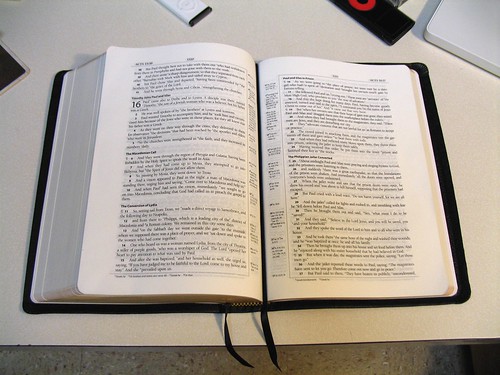
Continuing our parade of resources, we next up have the official reference question list for the gospel of John. Remember, in a quiz you need to be able to finish the question and furnish the answer, if the quizmaster doesn't read the whole question aloud.

Tuesday, July 27, 2010

2010-2011 Season: Finish the Verse List

Last year, we had to wait a while before getting some of the resources offered us by the District, but this time around we have everything we need in our grubby little hands. If you want to get the Finish-the-Verse list early, so you can start preparing for the next season grab it here or click on the image below.

Monday, July 26, 2010

2010-2011 Season: The Gospel of John

Okay, you've had two weeks to let your brains relax from Nationals and then start to get back in shape with some news articles. Now, here is your chance - if you choose - to start preparing for next year. Please note, any preparation prior to the kickoff is purely voluntary. Don't forget to enjoy this beautiful summer!

But first, for the 2010-2011 season, we will be studying... {{drum roll}}... THE GOSPEL OF JOHN.

If you'd like to kick off your studies of John with a review of the history, background, and theology of John, consider checking out this summary of the book offered by Zondervan. If you're in the mood for an audio-visual experience instead, consider renting the Gospel of John DVD instead - it is NOT in the NIV version but it is still a good way to get familiar with the events of the book.

For God so loved the world - Bible2_BW

Saturday, June 26, 2010

Preparing for Nationals - Knowing the Rules

Tomorrow is the day the team leaves for Nationals. As you're doing your last-minute prep, here are a few rules to keep in mind which we do not usually emphasize during the year:
  • Remember your team shirt. Everyone is expected to be wearing one. If you do not have one, and have not yet made arrangements with Coach Jim, now would be a good time to give him a call.
  • No shorts or flip flops. Remember, quizzing clothes should be "respectful." This typically is interpreted to mean no shorts, no flip flops. And remember, guys must remove their hats during prayer.
  • No bibles may be open during the quiz. This INCLUDES those in the audience. Keep the scripture portions closed during the quizzes.
  • Remember, if you want to Contest, only the Captain or the person answering the question may initiate a Contest. If you're not one of those two and think a Contest should be offered, give your Captain the stink eye! (This is why it is important to always have a designated Team Captain on the pads.)
  • Every two fouls results in a loss of 10 points. The first one is "free".
  • If you are not sure whether or not to Contest, remember there is no penalty for requesting to "confer". If you're the Captain or the one answering the question, speak up right away and request to "confer" and this will buy you an extra 30 seconds to consider your position.
  • Remember, 4 seats with a right answer scores 10 points, and 5 seats with a correct answer scores 20. Team Bonuses can make the difference between a win and a loss in a close quiz.
And don't forget to have fun. :-) You'll be meeting teens from all over the country who love scripture just as much as you.

Wednesday, June 23, 2010

Preparing for Nationals - Travelling Time
Nationals is a great time of togetherness, worship time, learning, and excitement. The days will fly by once you're there, but you have a long drive out there where the hours might crawl by. So, why not use this as a time to sharpen your skills for Quizzing? Here are some resources that you may wish to print out for your carry-on (password is "quizpad" for all of these).And, of course, be sure to bring along any sample quizzes you may have grabbed along the way. Quizzing each other is a great way to pass the time.
The ladies alone

Tuesday, June 22, 2010

Preparing for Nationals - Packing to Quiz
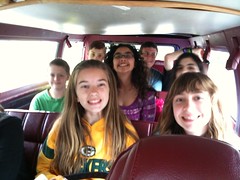
Nationals is rushing toward us at great speed. As you prepare for the trip, don't forget to pack your Bible Quizzing essentials for the journey!
  • 1 & 2 Corinthians Scripture portion
  • Questions Packet for Study and Cram Sessions
  • Quiz Team Shirt (If you don't have one, see Jim on Wednesday)
  • Jeans (remember shorts are not allowed in Nationals quizzing)
  • A pillow (remember to get some sleep the night before!)
  • MP3 player to listen to Mr. Sarris's bible readings on the bus

Leaving the church at 3:17 pm.

Thursday, April 17, 2008

Week 33: Prepare for Districts

This week (April 17 thru April 23), prepare for Districts by reviewing all books, all chapters! (Galatians, Ephesians, Philippians, Colisians, and Philemon, case you forgot.)

You have the tools, you have the question list, you have the ability, now is the time to prepare yourselves for the "Big Game.

Study Tip: At this point, your studying should be focussing on filling in the gaps in your knowledge. Each quizzer has their own strengths and weaknesses. Identify them and look to solidify your strengths and compensating for your weaknesses.

In the meantime, don't forget the basics of preparing for any big game or test:
- Get plenty of sleep - this will be hard on Friday night, so be sure Thursday night
- Eat healthy - vitamins and protein can help keep your mind alert
- Don't over-stress yourself - remember, we want to have fun and praise God together, winning is icing on the cake
- Support your teammates - build each other up and speak up if you need help

And please be aware that next Wednesday will be a break week. No practice. Use the time to rest, relax, and recharge.

Wednesday, April 09, 2008

Are you ready for Districts?

It may not seem like it, but Districts is almost upon us! Next Friday thru Sunday is our annual trip to Hershey to compete with the teams of the Eastern District. More details will be forthcoming soon, but for now you may want to start preparing NOW in a few areas:
  • Make sure your new blue Quiz Team t-shirt or hoodie is ready. All quizzers should plan to wear them on Saturday for the quizzes
  • Do you know where your scripture portion is? If not, find it or bring out another Bible for studying.
  • If you have not already, you may wish to compile your question lists into a binder for studying Friday night. That is the easiest way to ensure you can do any last-minute cramming.
  • Be thinking about what extra cash you may want to bring along. We will plan to hit the Chocolate Factory, probably will have Saturday dinner at Fuddruckers (claw machines!) and maybe another spot like Cabela's if time permits.
  • We are planning to go to church on Sunday - NO JEANS PLEASE - so be thinking about what outfit to have clean for that day.
More details will be coming tonight and this weekend. But this should give you a good start.